HOW TO EARN YOUR PRIVATE PILOT CERTIFICATE IN LUBBOCK, TEXAS
A Complete Guide to Learning to Fly
There’s a moment in every pilot’s journey that never really fades. It’s not the checkride, or the license in your wallet—it’s that first takeoff where the runway starts to shrink beneath you, the noise of the ground disappears, and you realize something simple but powerful:
You’re flying the airplane.
For many people, that moment starts as a curiosity—something sparked by watching planes overhead or sitting in a window seat wondering what it would be like to be up front. But turning that curiosity into reality begins with one clear step: earning your Private Pilot License in Lubbock, Texas.
And while the idea of becoming a pilot might feel intimidating at first, the path itself is surprisingly structured, approachable, and—if done right—one of the most rewarding things you’ll ever do.
What a Private Pilot License Actually Means
A Private Pilot License, often called a PPL, is your official entry into aviation. It allows you to act as pilot in command of an aircraft, carry passengers, and travel across the country on your own schedule. It’s not a commercial license, which means you won’t be getting paid to fly yet—but that’s not really the point at this stage.
This is about independence. It’s about having the ability to decide on a Friday afternoon that you’d rather be somewhere else—and then flying yourself there.
For some, it becomes a lifelong hobby. For others, it’s the first step toward a professional aviation career. Either way, everything in aviation builds from this foundation.
The FAA Requirements (And What They Really Look Like)
On paper, the Federal Aviation Administration keeps the requirements fairly simple. You need to be at least 17 years old, able to read and speak English, pass a medical exam, complete a written knowledge test, log the required flight hours, and pass a final checkride.
That sounds straightforward—and it is—but the real experience is much more dynamic than a checklist.
The FAA minimum is 40 flight hours, but most students realistically finish somewhere between 60 and 75 hours. That difference comes down to consistency, frequency of training, and how quickly skills develop. Flying is a hands-on skill, and like anything physical, repetition is what makes it stick.
What Flight Training Actually Feels Like
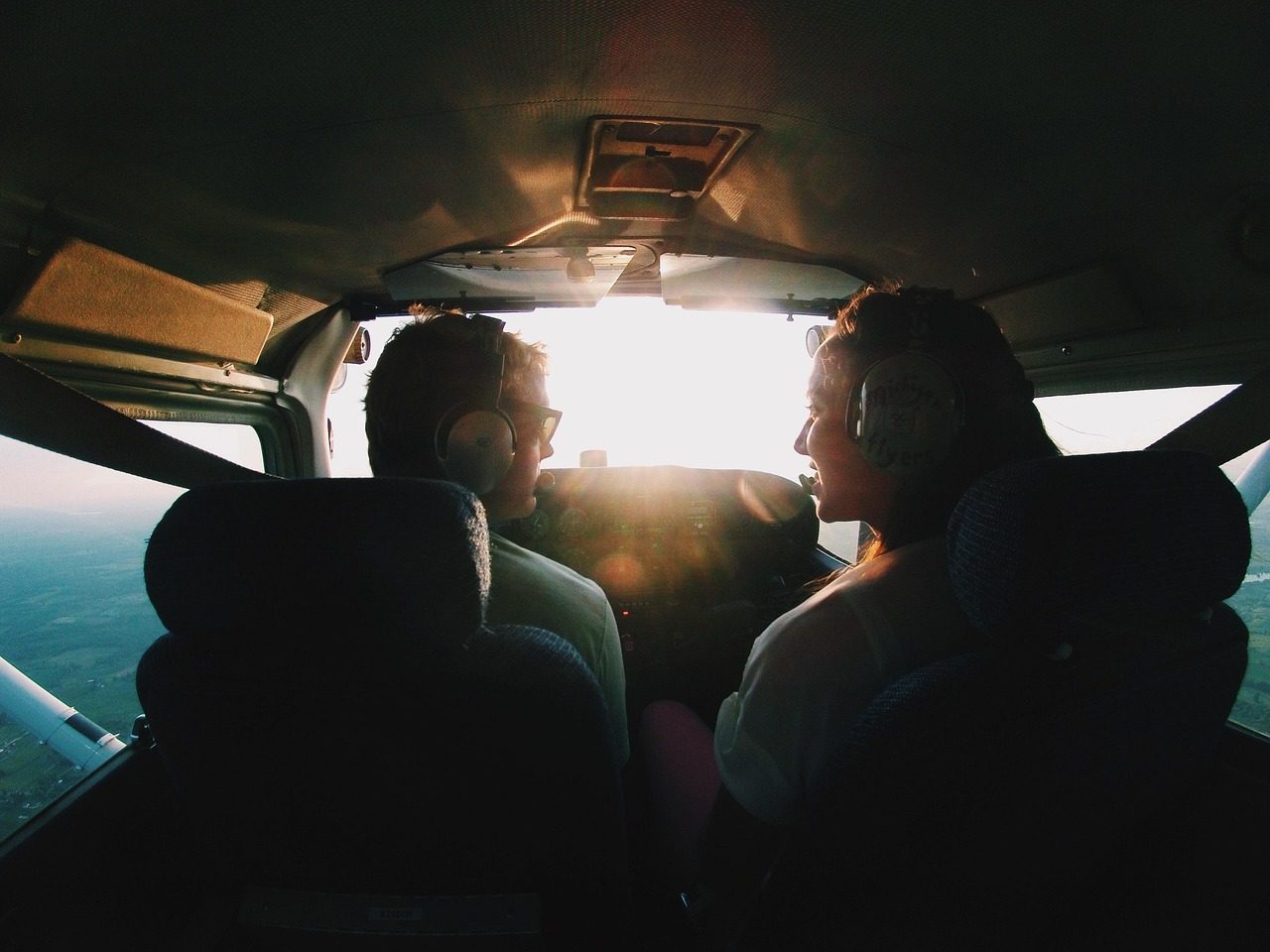
The early stages of training are all about building familiarity. At first, the cockpit can feel like a lot—gauges, radios, checklists—but within a few lessons, things start to click. You begin to understand how small control inputs affect the airplane, how the aircraft responds to your touch, and how to think ahead instead of just reacting.
Then comes one of the defining milestones in aviation: your first solo flight.
It’s exactly what it sounds like. Your instructor steps out, you taxi back onto the runway alone, and for the first time, you take off with no one else in the airplane. It’s controlled, it’s safe, and it’s something every pilot remembers with absolute clarity.
From there, training expands beyond the local airport. You’ll begin flying cross-country routes, navigating to other airports, working with air traffic control, and making real decisions in real time. This is where flying starts to feel less like a lesson and more like freedom.
Eventually, you’ll add night flying, emergency procedures, and more precise maneuvers. Each lesson builds toward the final stage: the checkride. This is your practical exam with an FAA examiner, where you demonstrate both your knowledge and your ability to safely operate the aircraft.
Pass that, and you’re officially a pilot.
The Knowledge Side: Ground School
Flying the airplane is only part of the equation. The other half happens on the ground, where you learn the “why” behind everything you’re doing in the air.
Ground school covers a wide range of topics—how airplanes generate lift, how weather systems behave, how airspace is structured, and how to navigate using charts and instruments. It’s not about memorizing random facts; it’s about understanding the system you’re operating within.
Most students complete this portion through a combination of online courses and one-on-one instruction. You can expect to spend around 30 to 50 hours studying, though many students spread this out alongside their flight training rather than completing it all upfront.
The Real Cost of a Private Pilot License in Texas
Let’s talk honestly about cost, because this is usually the biggest question people have.
In the Lubbock area, a realistic total investment for a Private Pilot License falls between $12,000 and $16,000, though it can be slightly lower or higher depending on how efficiently you train.
The majority of that cost comes from flight time itself. Aircraft rental typically ranges from about $120 to $180 per hour, and instructor time adds another $50 to $90 per hour. When you factor in 60 or more hours of training, that quickly becomes the largest portion of your investment.
Beyond flight time, there are several additional expenses that are often overlooked at first. Ground school courses and study materials usually run a few hundred dollars. The FAA medical exam generally costs between $100 and $200, while the written knowledge test is around $175. The final checkride, conducted by an FAA examiner, typically falls somewhere between $600 and $1,200.
Then there’s gear. While you don’t need to go overboard, most student pilots invest in a headset, which can range from a few hundred dollars to over a thousand depending on quality. A logbook, kneeboard, and basic supplies add a bit more, and many pilots eventually use an iPad for charts and navigation.
When you put it all together, the numbers make sense—but more importantly, they’re manageable with a clear plan and consistent training schedule.
How Long It Takes (And What Actually Matters)
The timeline to earn your Private Pilot License isn’t fixed—it’s driven almost entirely by how often you fly.
Students who train three to five times per week can finish in as little as two to three months. Those flying two to three times per week, which is more common, typically complete their training in three to six months. If you’re only flying once a week or less, the process can stretch to a year or longer.
The biggest factor isn’t intelligence or natural ability—it’s consistency. Flying is a skill that builds on itself, and long gaps between lessons tend to slow progress and increase overall cost.
Why Lubbock Is an Ideal Place to Learn to Fly
Training location plays a bigger role than most people expect, and this is where Lubbock has a real advantage.
The wide-open airspace in West Texas means less congestion and more time actually flying instead of waiting. The weather is generally cooperative, which reduces cancellations and keeps your training on track. Compared to larger metropolitan areas, the overall pace is more efficient, and that efficiency translates directly into lower costs and faster progress.
In short, it’s an environment that’s built for learning.
Is It Worth It?
For most people who start this journey, the answer becomes obvious pretty quickly.
Flying isn’t just about transportation. It’s about perspective—seeing the world differently, gaining a skill that very few people have, and pushing yourself into something that’s both challenging and deeply rewarding.
Some students stop at their Private Pilot License and enjoy flying recreationally for years. Others continue on to advanced ratings and build careers in aviation. Either path starts in the same place.
Why Train with AlphaZet Aviation?
Choosing where you train matters just as much as deciding to start.
At AlphaZet Aviation, the focus is on keeping training personal, efficient, and genuinely enjoyable. This isn’t a high-volume pilot factory where students get lost in the system. Instead, you’re working directly with an instructor who is invested in your progress, your confidence, and your success from the very first lesson.
Training is tailored to your schedule, your pace, and your goals, whether you’re pursuing aviation as a hobby or laying the groundwork for a professional career. The goal isn’t just to get you through a checkride—it’s to make you a capable, confident pilot who understands what they’re doing and why.
And the best part is, you don’t have to commit to the entire journey upfront.
Take the first step
If you’ve made it this far, there’s a good chance you’re already imagining what it would feel like to be in the left seat.
The simplest way to find out if flying is right for you is to experience it for yourself.
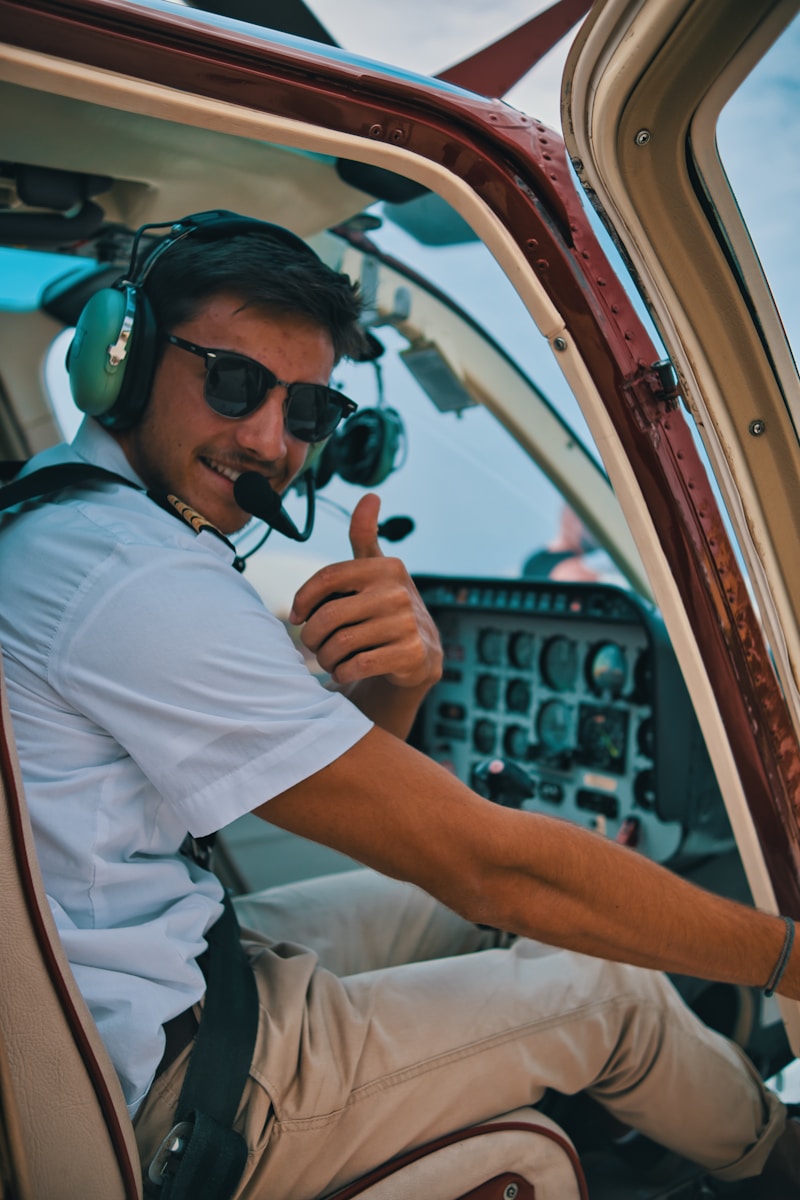
Schedule a discovery flight with AlphaZet Aviation and take the controls. Get in the air, feel how the airplane responds, and see firsthand what this path could look like.
Because at some point, every pilot starts the same way—by deciding to give it a try.