HOW TO GET YOUR COMMERCIAL PILOT LICENSE IN LUBBOCK, TEXAS
Turning Flight Time Into Opportunity
At a certain point in your training, something changes.
You’re no longer just logging hours—you’re building something. Your landings are more consistent, your decision-making is sharper, and the airplane feels less like something you manage and more like something you command.
And then the question naturally follows:
“Could I actually do this for a living?”
That’s where the Commercial Pilot License comes in.
What a Commercial Pilot License Actually Means
Earning your Commercial Pilot License (CPL) is the moment where aviation shifts from passion to profession. It’s the certification that allows you to be compensated for flying—whether that’s instructing, flying pipeline, aerial survey, charter operations, or building hours toward the airlines.
But the license itself isn’t just about getting paid. It represents a higher standard.
The FAA isn’t just asking, “Can you fly?” anymore.
They’re asking, “Can you fly precisely, consistently, and professionally—every time?”
The Difference You’ll Feel Immediately
If Private training is about learning control, and Instrument training is about learning precision, Commercial training is about refinement.
The margins get tighter.
Altitude deviations that were once acceptable now stand out. Landings aren’t just safe—they’re expected to be smooth, controlled, and repeatable. Maneuvers aren’t just completed—they’re executed with intention and consistency.
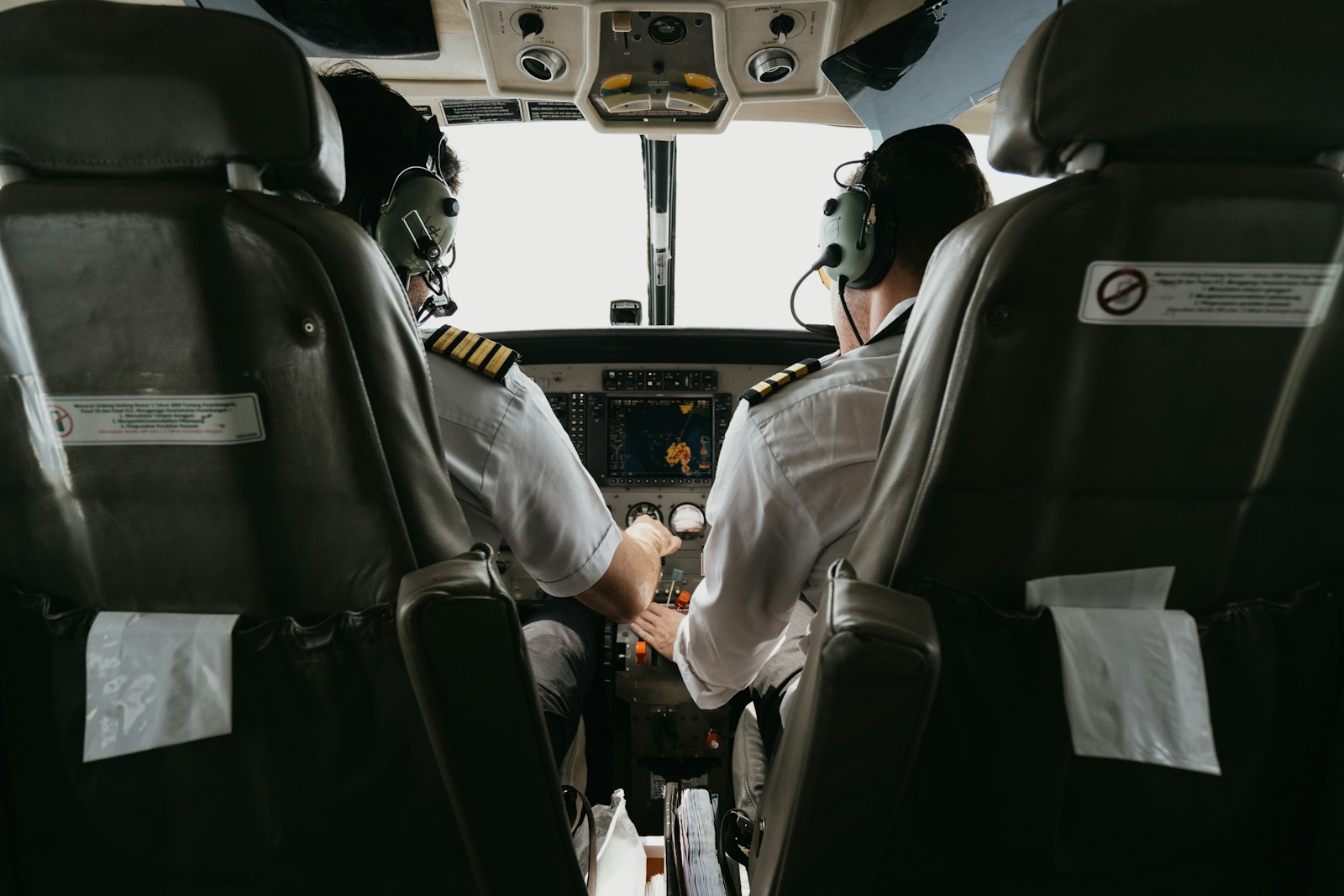
There’s also a noticeable shift in how you carry yourself in the cockpit. You start thinking ahead in a more structured way, managing risk with more awareness, and flying with a level of discipline that reflects professional standards.
It’s less about figuring it out… and more about getting it right.
FAA Requirements (And the Bigger Picture)
To earn your Commercial Pilot License, the FAA requires a minimum of 250 total flight hours. That includes your previous training—Private and Instrument—and additional time building, cross-country flying, and structured commercial maneuvers.
On paper, it’s a numbers game. In reality, it’s a progression.
Those hours aren’t just about hitting a requirement—they’re about exposure. Different weather, different airports, different scenarios. It’s where experience starts to round out your skill set in a meaningful way.
By the time you’re approaching your checkride, you’re not just demonstrating maneuvers—you’re demonstrating consistency under pressure.
What Training Looks Like at the Commercial Level
Commercial training introduces a new category of flying that feels distinctly different from anything before it.
You’ll spend time mastering maneuvers like chandelles, lazy eights, steep spirals, and eights-on-pylons—each one designed to test coordination, energy management, and precision. At first, they can feel abstract, even a little unnatural. But over time, they sharpen your control of the airplane in ways that carry into every phase of flight.
There’s also a continued focus on cross-country flying and operational scenarios. Flights become more purposeful. Planning becomes more detailed. Execution becomes more exact.
And perhaps most importantly, you begin flying with the mindset that someone else could be relying on you—not just as a pilot, but as a professional.
The Knowledge Side: Thinking Like a Professional Pilot
Ground knowledge at the commercial level builds on everything you’ve already learned—but with more depth and more responsibility.
You’ll revisit aerodynamics, performance, and regulations through a more advanced lens. Concepts like weight and balance, aircraft limitations, and systems aren’t just academic anymore—they’re directly tied to real-world decision-making and safety.
You’re also preparing for environments where standards are higher and expectations are clearer. It’s less about passing a test and more about understanding how to operate within professional aviation.
Cost of a Commercial Pilot License in Texas
By the time you reach the commercial stage, your investment isn’t isolated to a single rating—it’s cumulative.
In total, most pilots can expect to spend somewhere between $25,000 and $40,000 to reach their Commercial Pilot License when accounting for all training from zero time through CPL.
If you already hold your Private and Instrument ratings, the remaining cost typically falls in the range of $8,000 to $15,000, depending on how much time building is needed and how efficiently you train.
This includes additional aircraft rental, instructor time, and the final FAA checkride, along with any required aircraft transitions or complex aircraft time if applicable.
At this stage, the focus isn’t just on minimizing cost—it’s on maximizing quality of experience, because the hours you build here directly shape your readiness for the next step.
How Long It Takes
The timeline to complete your Commercial Pilot License depends largely on how quickly you build your remaining hours.
Pilots who train consistently and fly frequently can complete their commercial training in three to six months after finishing their Instrument Rating. Those balancing other commitments may take longer, especially if time-building is spread out.
But much like your earlier training, consistency remains the key factor. The more often you’re in the airplane, the more efficiently your skills develop—and the more value you get from every hour logged.
Why Lubbock Is an Ideal Environment for Commercial Training
At the commercial level, the training environment matters even more.
Lubbock offers a balance that’s difficult to replicate elsewhere. You have the space and flexibility of uncongested airspace, combined with enough operational variety to build real experience. You’re not spending valuable flight time waiting in line—you’re flying, practicing, refining.
The weather patterns in West Texas also provide opportunities to encounter different conditions without the overwhelming complexity of larger metro areas. It’s a setting that allows you to focus on skill development without unnecessary distractions.
What Comes After Commercial
For many pilots, the Commercial License is not the final destination—it’s the gateway.
It opens the door to becoming a Certified Flight Instructor, which is one of the most common and effective ways to build flight hours while getting paid. From there, paths expand into charter flying, corporate aviation, and eventually the airlines.
But even if your goal isn’t the airlines, the Commercial License represents something significant: the ability to turn a passion into a skill that has real, tangible value.
Why Train with AlphaZet Aviation
At the commercial level, the difference between average training and high-quality training becomes very clear.
AlphaZet Aviation focuses on developing pilots who don’t just meet standards, but understand them. Training is built around precision, consistency, and real-world application—not just checking boxes for a checkride.
You’ll work in an environment that values efficiency without sacrificing depth, where each flight is purposeful and each lesson builds toward a higher level of performance. The goal is to prepare you not just to pass your Commercial checkride, but to step confidently into whatever comes next.
Whether that’s instructing, time-building, or pursuing a long-term aviation career, the foundation you build here matters.
Take the Next Step!
If you’ve made it this far in your training, you already know what it takes to keep moving forward.
The Commercial Pilot License is where everything starts to come together—your experience, your precision, and your purpose as a pilot.
Train for your Commercial Pilot License in Lubbock with AlphaZet Aviation, and take the step that turns your flight time into opportunity.